By Hamad Rashid
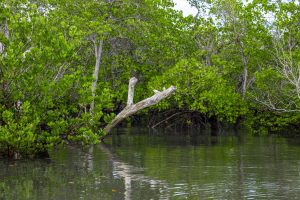
Tanzania is home to approximately 158,000 hectares of mangrove forests, a vital natural resource managed by the Tanzania Forest Services Agency (TFS) across 14 coastal districts. These forests continue to serve as a critical pillar for marine ecosystems, the livelihoods of coastal communities, and efforts to combat climate change. However, their sustainability remains threatened by a growing number of environmental and human-induced challenges.
In efforts to ensure effective protection and sustainable management of this important resource, Landesa Tanzania considered stakeholders engagement as a critical step aimed at strengthening sustainable mangrove ecosystem management across the country.
The initiative was informed by assessments of legal and practical state of mangrove ecosystem managements in the coastal areas with pilots in Kilwa and Lindi districts. Evidence gathered from communities and stakeholders was used to inform a high-level dialogue involving government representatives and other actors in mangrove ecosystem management held in Morogoro Region in June 2026.
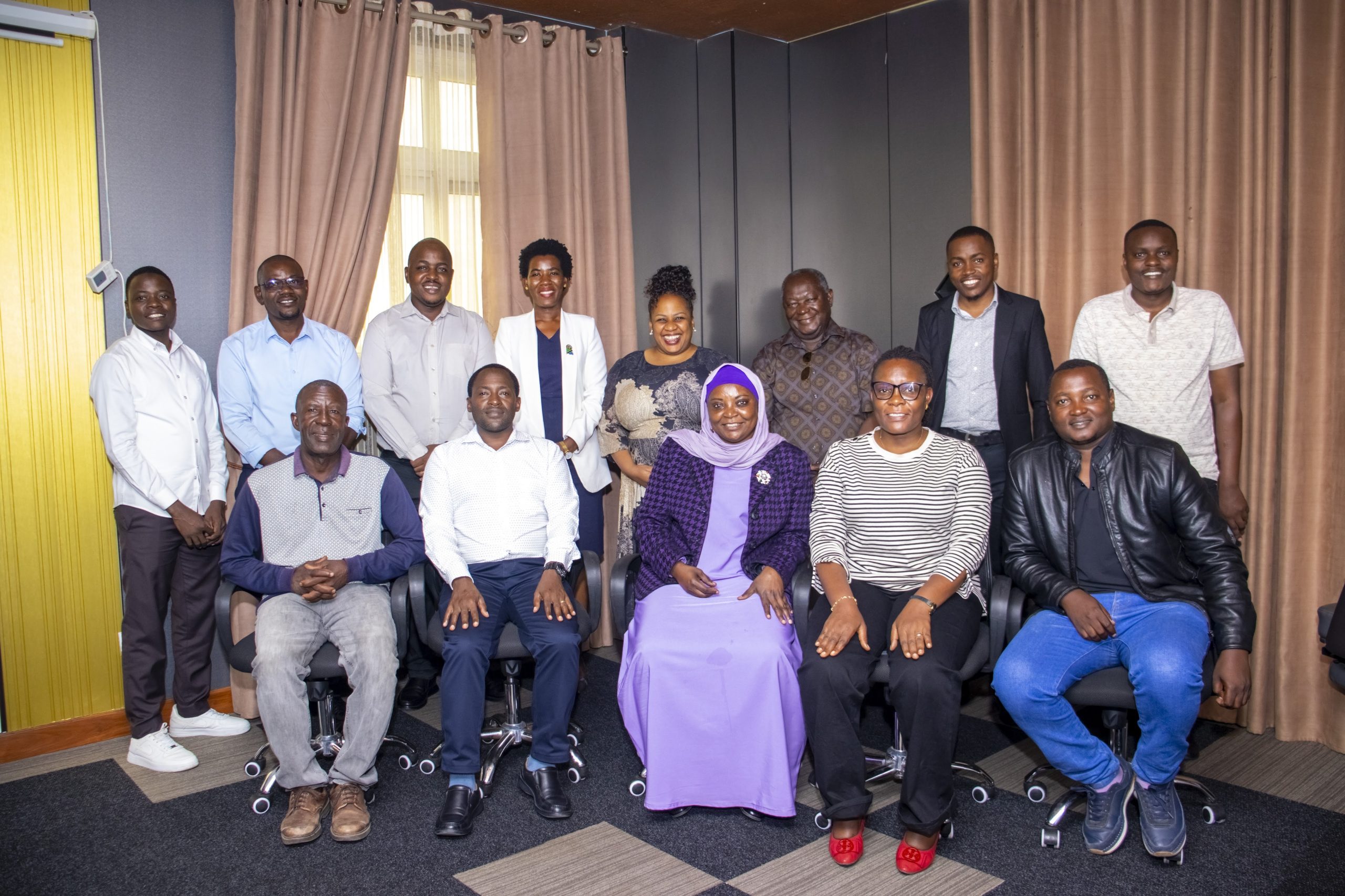
The dialogue brought together representatives from different government institutions responsible for mangrove and marine ecosystem including the Vice President’s Office Union and Environment Affairs, the Tanzania Forest Services Agency (TFS), Non-Governmental Organizations (NGOs), and community members involved in mangrove management. The main objective was to provide safe space for discussion for improved mangrove management systems while strengthening collective efforts to address the challenges facing these vital coastal ecosystems.
As part of the assessment, Landesa consulted 205 community members, including 100 women and 105 men. The findings highlighted several key areas requiring attention and investment from the government and other stakeholders.
Among the major findings were limited community participation in mangrove forest management due to inadequate consultation meetings and restricted decision-making opportunities in some villages; weak coordination and policy dialogue among stakeholders; gender gaps in mangrove conservation and management; as well as gaps in legal harmonization and institutional coordination.
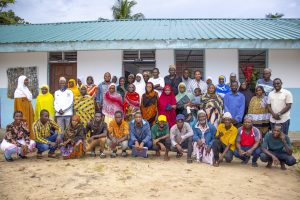
Community members and Landesa representatives during an assessment of mangrove forest conservation in Mtama District, Lindi Region.
Why Mangroves Deserve Special Attention
According to Masalu Luhula, a Senior Land Tenure Specialist at Landesa, mangrove forests possess unique ecological characteristics that make them exceptionally valuable compared to terrestrial forests.
He explains that mangroves have the ability to absorb carbon dioxide four times more effectively than many land-based forests, making them an important natural solution in addressing climate change.
Beyond carbon storage, mangroves provide critical breeding grounds for fish and other marine organisms. They also protect coastal communities by reducing soil erosion along shorelines, particularly as rising sea levels and stronger waves linked to climate change continue to threaten coastal areas.
Growing Challenges Facing Tanzania’s Mangrove Forests
Despite their ecological and economic importance, mangrove forests in Tanzania continue to face significant threats.
According to Rita Maganga, Conservation Officer from the Tanzania Forest Services Agency (TFS), major challenges include encroachment of mangrove areas for human activities, particularly agriculture, illegal harvesting of mangrove trees, and the impacts of climate change, which affect the growth and resilience of these forests.
Maganga also acknowledged existing challenges in coordinating mangrove management responsibilities among different government institutions. She emphasized that strengthening coordination mechanisms should remain a priority in ongoing conservation improvement efforts.

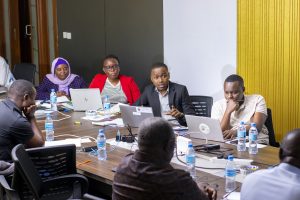
Rita Maganga, Senior Conservation Officer at the Tanzania Forest Services (TFS), and Masalu Luhula, Senior Land Tenure Specialist at Landesa, during a stakeholder dialogue held in Morogoro Region, Tanzania.
Another major challenge affecting mangrove conservation is limited awareness among communities living adjacent to mangrove forests.
This concern was raised by Romano Manzi, a resident of Mmumbu Village in Mtama District, Lindi Region, who noted that some community members still lack adequate understanding of the importance of protecting mangrove ecosystems.
“People must first be provided with proper education on how to protect mangroves, which are managed by TFS,” Manzi said.
He added that some community members continue to harvest mangroves illegally, believing that the forests are natural resources provided by God and therefore should not be restricted or regulated.
Legal Frameworks and Conservation Strategies
Although Tanzania has the Forest Act No. 14 of 2002, which provides the legal framework for forest conservation and management, Landesa emphasizes the need to strengthen participatory management approaches starting from the community level to improve the effectiveness of mangrove conservation.
Furthermore, TFS, in collaboration with various stakeholders, launched the National Mangrove Forest Management and Development Strategy (2025 to 2035), which provides a roadmap for achieving sustainable mangrove conservation and management in Tanzania.
Speaking during the stakeholder dialogue, Godfrey Massay, Landesa Tanzania’s Country Program Director, said the organization will continue playing an active role in decision-making platforms, coordination efforts, and reforms related to mangrove conservation and management.
He emphasized that Landesa remains committed to supporting improvements in policies, laws, and guidelines that will strengthen the protection and sustainable use of Tanzania’s mangrove forests.
However, Landesa has already published a Community Mangrove Management Participation Tanzania Policy Brief, addressing the challenges within Tanzania’s mangrove forest conservation systems. The publication includes, among other recommendations, those highlighted in this article.