COP 12 Dar Es Salaam, Tanzania
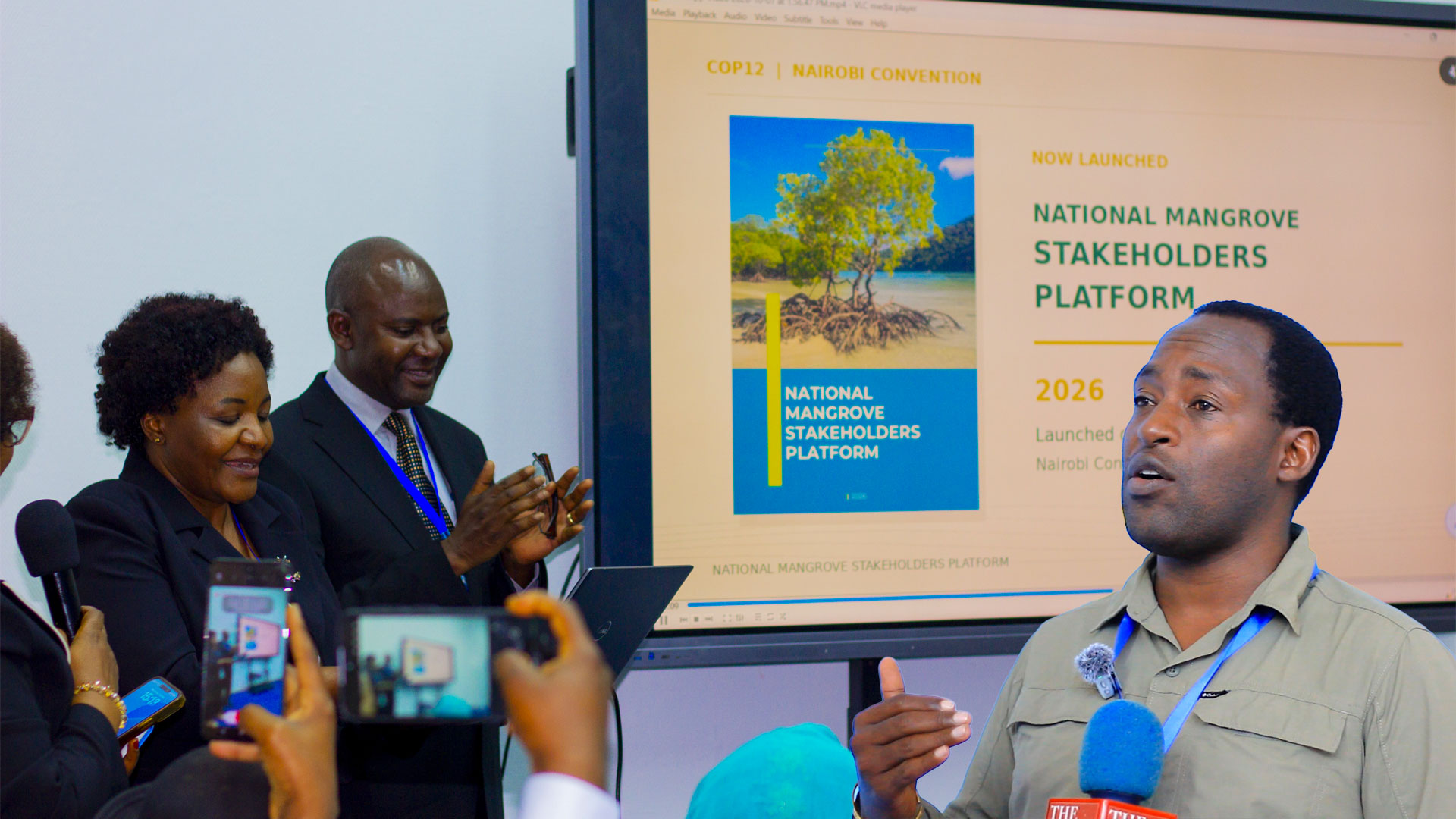
Tanzania has launched a new forum bringing together stakeholders working on mangrove conservation and management, in a move aimed at strengthening collaboration, knowledge-sharing and coordinated responses to challenges facing mangrove ecosystems and coastal communities.
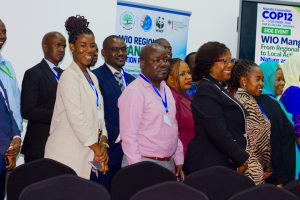
The forum was launched during a side event held alongside the 12th Conference of the Parties (COP12) to the Nairobi Convention, currently taking place in Dar es Salaam, Tanzania under the theme “From Regional to Local Action: for people, nature and climate”
The platform brings together researchers, government institutions and departments, international organisations, local organisations and other actors working in mangrove and coastal areas.
Godfrey Massay, Director of Landesa Tanzania, said the establishment of the forum provides an important opportunity for stakeholders to work collectively rather than addressing mangrove-related challenges in isolation.
“This forum brings together various stakeholders with the goal of ensuring that everyone collaborates and helps each other in seeking solutions to challenges found in mangrove areas,” Massay said.
He noted that the diversity of institutions involved is one of the forum’s key strengths, as mangrove issues cut across environmental, land, research, governance and community concerns.

Godfrey Massay, Director of Landesa Tanzania
For Landesa, Massay said, the forum also presents an opportunity to engage in areas that go beyond the organisation’s direct focus on land rights and land governance.
“Landesa sees this as an opportunity because there are other issues not related to policies that are the direct work of Landesa, but there are also mangrove issues unrelated to land,” he said.
The platform is also expected to contribute to the implementation of Tanzania’s mangrove strategy, providing a mechanism through which different actors can coordinate their efforts and support government priorities for mangrove conservation and sustainable management.
The side event was organized by the Western Indian Ocean Mangrove Network (WIOMN).
Regional cooperation
The launch also comes at a time when countries along the Indian Ocean coastline are seeking stronger regional cooperation in addressing shared coastal and marine challenges.
Massay said the regional dimension is particularly important because mangrove ecosystems and the communities that depend on them are connected to wider coastal and environmental systems that extend beyond national borders.
He said cooperation among countries can help build “joint strength” in addressing challenges affecting mangroves and coastal communities.
The forum therefore has the potential to serve as a bridge between national efforts and broader regional initiatives aimed at protecting coastal ecosystems while ensuring that communities living around mangrove areas are not left behind.
Why COP12 matters
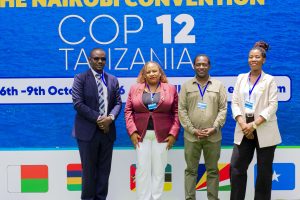
The launch of the forum comes against the backdrop of COP12 of the Nairobi Convention, a major regional platform bringing together governments, experts, civil society organisations and other stakeholders to address the protection and sustainable management of the Western Indian Ocean’s coastal and marine environment.
Holding the conference in Dar es Salaam provides Tanzania with an important platform to showcase national priorities while strengthening cooperation with other countries and institutions working across the region.
Mangroves are particularly important to coastal communities because they support livelihoods, protect shorelines, provide habitats for marine species and contribute to climate resilience. However, they also face growing pressure from human activities, land-use changes and other environmental challenges.
Against this background, the new stakeholder’s forum could provide a more coordinated space for government, researchers, development partners, civil society and communities to identify challenges, share evidence and develop practical responses.
For Tanzania, the test will now be whether the platform can translate collaboration and commitments into concrete action on the ground particularly for communities living alongside and depending on mangrove ecosystems.
As COP12 continues in Dar es Salaam, the launch of the forum signals a growing recognition that protecting mangroves requires more than individual interventions. It requires stronger institutions, shared knowledge, regional cooperation and meaningful participation of the communities whose lives and livelihoods are closely connected to the coast.